
How Solar Energy Is Changing the Power Sector

The global power sector is undergoing one of the most significant transformations in its history, and solar energy is at the heart of this change. As demand for electricity rises and concerns about climate change, fuel costs, and energy security grow, countries and businesses are actively shifting toward cleaner and more reliable power sources. Among all renewable options, solar energy stands out for its scalability, affordability, and long-term sustainability.
Once considered an alternative or supplementary energy source, solar power has now become a mainstream solution influencing how electricity is generated, distributed, and consumed. From large-scale solar parks to rooftop installations for homes and commercial buildings, solar energy is redefining the structure of the power sector.
The Evolution of the Power Sector
With technological advancements and growing environmental awareness, renewable energy sources began gaining attention. Wind and hydropower played important roles, but solar energy emerged as a game-changer due to its abundance, modular nature, and declining costs. Today, solar power is not just an alternative—it is shaping the future blueprint of the power sector.
Why Solar Energy Is Gaining Momentum
Several factors have accelerated the adoption of solar energy across the world. One of the biggest drivers is the sharp decline in the cost of solar panels and related components. Over the past decade, technological improvements and large-scale manufacturing have made solar installations more affordable than ever before.
Another key factor is policy support. Governments are introducing incentives, subsidies, and favorable regulations to encourage solar adoption. Corporate sustainability goals and rising electricity tariffs are also pushing industries and commercial establishments to invest in solar solutions.
In addition, solar energy aligns perfectly with global climate commitments. By replacing fossil fuel-based electricity, solar power significantly reduces greenhouse gas emissions and helps nations move closer to net-zero targets.
Decentralization of Power Generation
One of the most profound ways solar energy is changing the power sector is through decentralization. Traditional power systems depend on centralized plants, but solar allows electricity generation closer to the point of consumption.
Rooftop solar systems on homes, offices, factories, and institutions reduce dependence on the grid and minimize transmission losses. This decentralized model improves energy reliability, especially in regions with unstable grid infrastructure. It also empowers consumers to become “prosumers,” generating and using their own electricity while exporting excess power back to the grid.
Decentralization enhances grid resilience by reducing the impact of large-scale outages. When power generation is distributed across thousands of solar installations, the system becomes more flexible and robust.
Solar Energy and Grid Modernization
The integration of solar energy is driving modernization of power grids. Traditional grids were designed for one-way electricity flow—from power plants to consumers. Solar energy introduces bidirectional power flow, requiring smarter grid management.
Smart grids use advanced monitoring systems, sensors, and digital controls to manage fluctuating solar generation. Energy management software helps balance supply and demand in real time, ensuring grid stability even during peak solar production hours.
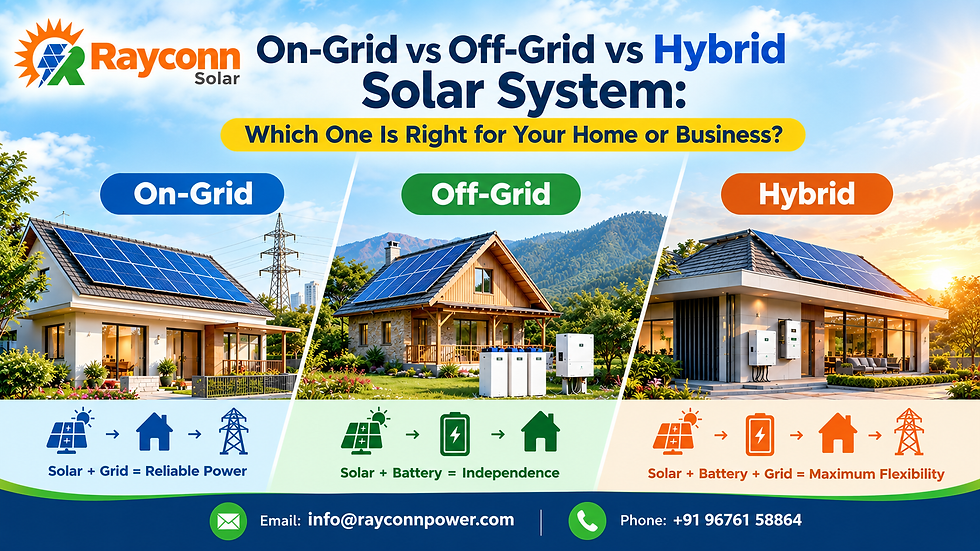
Battery energy storage systems are also becoming an essential part of solar-powered grids. By storing excess energy generated during the day, batteries provide electricity during the evening or cloudy periods. This improves reliability and reduces dependence on conventional backup power sources.
Impact on Electricity Costs
Solar energy is reshaping electricity pricing across the power sector. Once installed, solar systems have minimal operating costs because sunlight is free. This leads to predictable and stable energy expenses over the long term.
For businesses and industries, solar energy helps hedge against rising grid tariffs and fuel price volatility. Large commercial and industrial solar installations significantly reduce operational costs, improving profitability and competitiveness.
At the utility scale, solar power is often cheaper than new coal or gas-based power plants. As more solar capacity is added to the grid, wholesale electricity prices tend to stabilize, benefiting end consumers.
Driving Energy Independence
Energy security is a critical concern for many countries, particularly those that depend heavily on imported fossil fuels. Solar energy reduces this dependency by harnessing a locally available resource.
By investing in solar infrastructure, nations strengthen their energy independence and reduce exposure to global fuel price fluctuations. This shift not only improves economic stability but also enhances national security by diversifying energy sources.
For remote and rural areas, solar energy provides access to reliable electricity without the need for expensive grid extensions. Off-grid and hybrid solar systems are transforming lives by supporting education, healthcare, and local businesses.
Environmental Benefits and Sustainability
The environmental impact of solar energy is one of its strongest advantages. Unlike fossil fuels, solar power generation does not produce air pollution, greenhouse gases, or harmful waste during operation.
Widespread adoption of solar energy significantly reduces carbon emissions, helping mitigate climate change and improve air quality. This has direct health benefits, particularly in urban and industrial regions where pollution levels are high.
Solar energy also requires less water compared to thermal power plants, making it a more sustainable option in water-scarce regions. As environmental regulations become stricter, solar power offers a future-ready solution for the power sector.
Transformation of Commercial and Industrial Power Use
The commercial and industrial segments are playing a major role in the solar revolution. Manufacturing units, warehouses, data centers, hospitals, and educational institutions are increasingly adopting solar energy to meet their power needs.
Onsite solar installations allow businesses to optimize energy consumption patterns and reduce peak demand charges. Many organizations are integrating solar power into their sustainability strategies to meet environmental, social, and governance goals.
Companies like Rayconn Power have contributed to this shift by delivering solar solutions that align with modern energy requirements, supporting businesses in their transition toward cleaner and more efficient power systems.
Job Creation and Economic Growth
The expansion of solar energy is generating significant economic opportunities. From manufacturing and installation to maintenance and system design, the solar sector is creating jobs across skill levels.
Local manufacturing of solar components boosts domestic industries, while project development stimulates regional economies. Training programs and skill development initiatives are helping build a workforce ready to support the growing renewable energy ecosystem.
As investment in solar infrastructure increases, the power sector experiences broader economic benefits, including innovation, entrepreneurship, and long-term growth.
Challenges in Solar Integration
Despite its advantages, integrating solar energy into the power sector comes with challenges. Solar generation is dependent on sunlight, which introduces variability. Managing this intermittency requires advanced forecasting, storage solutions, and flexible grid infrastructure.
Land availability for large-scale solar projects can also be a concern, particularly in densely populated regions. However, innovative approaches like floating solar plants, rooftop systems, and agrivoltaics are addressing these limitations.
Initial installation costs, though decreasing, can still be a barrier for some users. Access to financing, government incentives, and supportive policies play a crucial role in overcoming this challenge.
The Future of Solar Energy in the Power Sector
The future of the power sector is closely tied to the continued growth of solar energy. Advancements in panel efficiency, energy storage, and smart grid technologies are expected to further enhance solar’s role.
Hybrid systems combining solar with wind, batteries, and other renewable sources will improve reliability and round-the-clock power availability. Artificial intelligence and data analytics will enable better energy forecasting and system optimization.
As electric vehicles become more common, solar-powered charging infrastructure will add another dimension to the energy ecosystem. The convergence of solar power, storage, and digital technologies will redefine how electricity is produced and consumed.
Solar energy is no longer a niche solution—it is a driving force reshaping the power sector. By enabling decentralized generation, lowering electricity costs, reducing environmental impact, and improving energy security, solar power is transforming the way the world thinks about electricity.
As technology continues to advance and adoption grows across residential, commercial, and industrial segments, solar energy will play an even more central role in building a resilient, sustainable, and future-ready power sector. The transition is already underway, and solar energy is leading the charge toward a cleaner and more efficient energy landscape.

Comments