
How Solar Power Is Shaping the Future of Energy

The global energy landscape is undergoing a radical transformation. Traditional energy sources such as coal, oil, and natural gas are facing increasing scrutiny due to their environmental impact, fluctuating costs, and finite availability. Amid this transition, renewable energy has emerged as a sustainable and forward-thinking solution. Among renewables, solar power stands out as a game-changer, offering a clean, reliable, and increasingly affordable alternative to conventional energy sources.
Solar energy is no longer a futuristic concept; it is actively shaping how we generate, consume, and think about electricity. Governments, industries, and households are increasingly adopting solar solutions, recognizing both environmental and economic benefits. In this blog, we explore how solar power is transforming the energy sector, driving innovation, and contributing to a sustainable future.
The Rise of Solar Power
Solar power has evolved from a niche technology into a mainstream energy solution. Over the past few decades, advancements in photovoltaic (PV) technology, economies of scale, and supportive policies have dramatically reduced the cost of solar panels. According to the International Energy Agency (IEA), solar energy is now one of the fastest-growing sources of electricity worldwide.
One of the main drivers of this growth is the declining cost of solar installation. Ten years ago, the expense of solar panels and related infrastructure made solar energy accessible primarily to large-scale projects. Today, thanks to technological improvements and mass production, residential and commercial solar systems are more affordable than ever.
Another contributing factor is the increased efficiency of solar panels. Modern photovoltaic cells can convert more sunlight into electricity than ever before, maximizing energy generation even in regions with less intense sunlight. Innovations such as bifacial panels, solar tracking systems, and energy storage integration further enhance efficiency, ensuring solar power is a viable solution in diverse climates.
Environmental Benefits of Solar Energy
One of the most compelling reasons for adopting solar energy is its environmental advantage. Traditional fossil fuels contribute significantly to greenhouse gas emissions, leading to climate change, air pollution, and environmental degradation. Solar power, on the other hand, generates electricity without releasing harmful pollutants.
Reduction in Carbon Footprint: Solar energy systems produce zero direct emissions, helping households and businesses reduce their carbon footprint. By transitioning to solar power, individuals contribute to a global effort to mitigate climate change.
Sustainable Energy Source: The sun provides a virtually unlimited energy supply, making solar power a sustainable and long-term solution compared to finite fossil fuels.
Minimal Water Usage: Unlike nuclear and coal power plants, solar PV systems require minimal water for operation, conserving a vital natural resource.
Governments and organizations worldwide are emphasizing solar adoption as part of their climate action plans. Countries such as Germany, China, and India have launched ambitious solar initiatives to reduce dependence on fossil fuels and promote clean energy.
Economic Advantages of Solar Power
Beyond environmental benefits, solar energy offers significant economic advantages. Installing solar panels can lead to substantial savings on electricity bills, create new job opportunities, and stimulate local economies.
1. Lower Energy Costs
Once a solar system is installed, it generates electricity at little to no cost. This reduces reliance on the grid and shields consumers from rising electricity prices. For businesses, especially energy-intensive industries, solar energy offers long-term cost predictability and operational savings.
2. Government Incentives
Many countries offer incentives, tax rebates, and subsidies to encourage solar adoption. These policies reduce the initial investment burden and make solar energy financially attractive. For example, feed-in tariffs allow solar energy producers to sell excess electricity back to the grid, creating an additional revenue stream.
3. Job Creation
The solar industry has become a significant employment driver. According to the International Renewable Energy Agency (IRENA), solar power employs millions globally in manufacturing, installation, maintenance, and research roles. The growth of this sector contributes to economic resilience while promoting sustainable development.
Technological Innovations Driving Solar Adoption
Technological advancements are accelerating the adoption of solar power. Innovations in materials, energy storage, and grid integration are making solar systems more efficient, reliable, and versatile.
1. Advanced Photovoltaic Cells
Traditional silicon-based solar cells have been supplemented by advanced technologies such as thin-film and perovskite cells. These innovations offer higher efficiency, lower manufacturing costs, and
flexible deployment options, including integration into building materials like windows and roofs.
2. Energy Storage Solutions
One of the challenges of solar energy is its intermittent nature – it only generates electricity when the sun shines. Energy storage solutions, such as lithium-ion and flow batteries, allow excess electricity to be stored and used during cloudy periods or at night. This ensures a steady power supply and enhances grid stability.
3. Smart Grid Integration
Smart grids leverage digital technology to manage electricity demand, supply, and distribution efficiently. By integrating solar power into smart grids, utilities can balance loads, reduce waste, and enable consumers to optimize energy usage, ultimately improving the overall efficiency of the energy ecosystem.
4. Solar-Powered Innovations
Solar energy is no longer confined to rooftop panels. Emerging technologies are integrating solar power into everyday objects, such as solar-powered streetlights, electric vehicle charging stations, and even wearable devices. These innovations showcase the potential of solar energy to revolutionize multiple sectors beyond electricity generation.
Solar Power and Energy Independence
Energy security is a critical concern for many nations. Dependence on imported fossil fuels exposes
countries to price volatility, geopolitical risks, and supply disruptions. Solar power offers a pathway to energy independence, reducing reliance on external sources and enhancing national security.
By investing in domestic solar infrastructure, countries can harness their natural resources to meet energy needs. For households and businesses, adopting solar systems provides autonomy over energy consumption, ensuring continuity even during grid outages or energy crises.
Challenges in Solar Energy Adoption
While solar power has tremendous potential, there are challenges that must be addressed to achieve widespread adoption.
1. Intermittency and Reliability
Solar energy is dependent on sunlight availability, which can be affected by weather, season, and geographical location. Effective energy storage and hybrid systems can mitigate this issue, ensuring a consistent power supply.
2. High Initial Costs
Despite declining prices, the upfront cost of solar installation remains a barrier for many consumers. Financing solutions, leasing options, and government incentives are crucial in making solar energy accessible to a broader population.
3. Land and Space Constraints
Large-scale solar farms require significant land area, which can conflict with agricultural or urban development. Innovative solutions such as rooftop installations, floating solar farms, and solar-integrated infrastructure are helping overcome this challenge.
4. Recycling and Waste Management
As solar panels reach the end of their life cycle, responsible recycling and disposal are essential to minimize environmental impact. Advances in recycling technologies and circular economy practices are addressing these concerns.
The Role of Companies Like Rayconn Power
Companies such as Rayconn Power are at the forefront of transforming the energy sector through solar power solutions. By offering cutting-edge solar technologies, energy consultancy, and installation services, they are enabling homes, businesses, and industries to adopt sustainable energy practices efficiently.
Rayconn Power emphasizes reliability, performance, and long-term support, helping clients transition seamlessly to renewable energy. Their expertise spans residential rooftop installations, commercial solar systems, and large-scale solar farms, showcasing the diverse applications and scalability of solar technology.
Solar Power in the Future Energy Mix
The future of energy will likely be dominated by a combination of renewables, with solar power playing a central role. Analysts predict that solar energy will account for a significant portion of global electricity generation in the coming decades, complementing wind, hydro, and other clean energy sources.
Key Trends Shaping the Future:
Decentralized Energy Systems: Consumers will increasingly generate their own electricity through rooftop solar and community solar projects, reducing dependence on centralized grids.
Integration with Electric Mobility: Solar power will play a pivotal role in powering electric vehicles (EVs), charging stations, and transportation infrastructure.
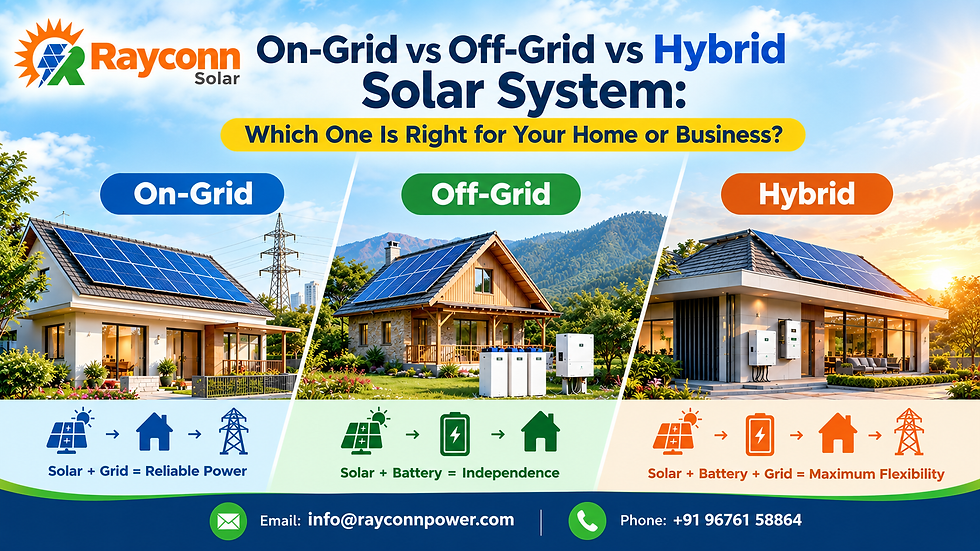
Hybrid Energy Solutions: Solar energy will be combined with other renewable sources and energy storage systems to ensure reliability and efficiency.
Sustainable Smart Cities: Urban planning will incorporate solar power in buildings, public lighting, and infrastructure to reduce carbon emissions and enhance resilience.
Global Impact and Sustainability Goals
Solar energy is not only reshaping local energy markets but also contributing to global sustainability goals. The United Nations’ Sustainable Development Goal 7 emphasizes affordable, reliable, sustainable, and modern energy for all. Solar power directly aligns with this vision by providing clean energy solutions that are accessible and environmentally responsible.
Investing in solar energy helps nations meet climate targets, reduce greenhouse gas emissions, and transition to a low-carbon economy. The widespread adoption of solar power is critical to achieving a sustainable and equitable energy future.
Solar power is more than an alternative energy source—it is a transformative force that is shaping the future of energy. With its environmental benefits, economic advantages, and technological innovations, solar energy addresses some of the most pressing challenges of the 21st century.
The journey toward a solar-powered future requires collaboration between governments, businesses, and consumers. Companies like Rayconn Power are leading the way by providing innovative solutions that make the adoption of solar energy practical, efficient, and cost-effective.
As technology advances, costs decline, and awareness grows, solar energy will increasingly dominate the global energy mix, paving the way for a cleaner, greener, and more sustainable planet. The future of energy is bright, and that brightness comes from the sun.

header.all-comments